
Why Even Smart Women Feel Like They're Bad at Money

Drew Hanessian, CFP®, MBA

Why Even Smart Women Feel Like They're Bad at Money
If you’re a high-earning, high-achieving woman - maybe you’re the one who pays the bills, handles the taxes, tracks the investments, and still keeps everyone’s schedules straight - you might not expect to somehow feel "bad at money." But it’s what we hear from clients on a regular basis.
Even women earning $200,000+ or sitting on a net worth well above $2 million tell us that they worry they’re "not doing it right." They second-guess major decisions, feel guilty for spending on themselves, and carry the heavy mental load of being their family’s household CFO.
So why does this happen, and what can you do about it?
It’s not about intelligence - it’s about invisible expectations
From a young age, many women are taught to budget, save, and "be responsible,” but not necessarily to invest, negotiate for more, or talk openly about wealth and the complications it brings. Add in the juggling act of family, career, and aging parents - money often becomes another place where "getting it perfect" feels impossible.
If you’re the go-to decision maker for your family’s finances, you might also be balancing short-term concerns with big-picture goals.
Is our spending on groceries ridiculous, or is it just where we live and inflation?
How much should we be saving for our kids’ college?
Should I elect the HDHP with the HSA, or the PPO?
Can we retire early?
Can I afford a career break or sabbatical?
It’s a lot to hold in your head, and it can feed nagging doubts that you’re missing something.
Blind spots
As your life has gotten more complex, doing things on your own increasingly runs the risk of missing out on opportunities.
They might be:
Whether your finances are as tax-efficient as they could be
If your retirement plan actually aligns with how you want to live
Ensuring you have the right kinds and right amount of insurance (and not paying for too much!)
Building out an estate plan that ensures you and your loved ones are cared for
How to spend guilt-free when you’ve sacrificed so much to get to where you are
It’s okay if you don’t have it all figured out alone, and it doesn’t mean you’re “bad” at money. High-achieving women don’t need more DIY checklists; they need thoughtful partnership and a plan that makes space for real life.
What a good advisor does: lighten the load
If you’re the family’s household CFO, you already are good with money - but you shouldn’t have to carry the mental load alone.
The right financial planning relationship should help you:
De-mystify finances and lay out your options so you have agency
Stress-test your plans so you can make confident choices, not second-guess them
Organize your financial life so you don’t have to hold all the details in your head
Reframe spending and investing decisions so you can be confident they align with your values and your long-term goals
Navigate big money conversations with partners, kids, and family
When smart women feel supported, they don’t just "get better at money" - they feel free to make bigger, bolder choices for themselves and their families.
Ready to stop carrying this alone?
You’re smart. You’re good at this. You’re already the family CFO. Now it’s time to get the kind of partnership that lets you do what you do best - without the second-guessing.
If you’d like to talk about how our firm helps high-achieving women lighten the mental load and plan for what’s next, book a conversation with us.
Let’s make smart feel easier.
Stay Informed, Stay Empowered
Get our latest financial insights delivered straight to your inbox

Do You Have Any Blind Spots?
Why I changed my perspective on DIY Investing
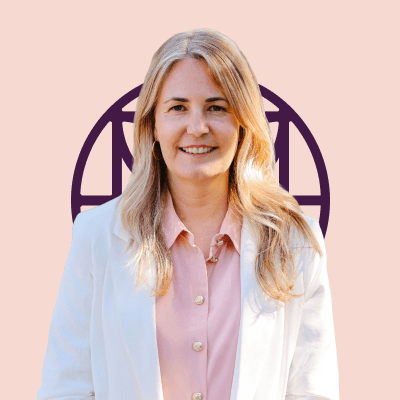
Kimberly Keesler Herrera, MBA, CFP® Candidate

Your Male Coworker Just Asked for a Raise - Why Haven't You?
The secret to making salary increases happen consistently
Kimberly Keesler Herrera, MBA

Announcing Collaboration Between Tessara Wealth and Hellos & Goodbyes
Tessara Wealth announces collaboration with Hellos & Goodbyes to help high-achieving women make sure they are getting paid what they are worth.

Shawn Tydlaska, CFP®, MBA
Why Even Smart Women Feel Like They're Bad at Money
Drew Hanessian, CFP®, MBA
Why Even Smart Women Feel Like They're Bad at Money
If you’re a high-earning, high-achieving woman - maybe you’re the one who pays the bills, handles the taxes, tracks the investments, and still keeps everyone’s schedules straight - you might not expect to somehow feel "bad at money." But it’s what we hear from clients on a regular basis.
Even women earning $200,000+ or sitting on a net worth well above $2 million tell us that they worry they’re "not doing it right." They second-guess major decisions, feel guilty for spending on themselves, and carry the heavy mental load of being their family’s household CFO.
So why does this happen, and what can you do about it?
It’s not about intelligence - it’s about invisible expectations
From a young age, many women are taught to budget, save, and "be responsible,” but not necessarily to invest, negotiate for more, or talk openly about wealth and the complications it brings. Add in the juggling act of family, career, and aging parents - money often becomes another place where "getting it perfect" feels impossible.
If you’re the go-to decision maker for your family’s finances, you might also be balancing short-term concerns with big-picture goals.
Is our spending on groceries ridiculous, or is it just where we live and inflation?
How much should we be saving for our kids’ college?
Should I elect the HDHP with the HSA, or the PPO?
Can we retire early?
Can I afford a career break or sabbatical?
It’s a lot to hold in your head, and it can feed nagging doubts that you’re missing something.
Blind spots
As your life has gotten more complex, doing things on your own increasingly runs the risk of missing out on opportunities.
They might be:
Whether your finances are as tax-efficient as they could be
If your retirement plan actually aligns with how you want to live
Ensuring you have the right kinds and right amount of insurance (and not paying for too much!)
Building out an estate plan that ensures you and your loved ones are cared for
How to spend guilt-free when you’ve sacrificed so much to get to where you are
It’s okay if you don’t have it all figured out alone, and it doesn’t mean you’re “bad” at money. High-achieving women don’t need more DIY checklists; they need thoughtful partnership and a plan that makes space for real life.
What a good advisor does: lighten the load
If you’re the family’s household CFO, you already are good with money - but you shouldn’t have to carry the mental load alone.
The right financial planning relationship should help you:
De-mystify finances and lay out your options so you have agency
Stress-test your plans so you can make confident choices, not second-guess them
Organize your financial life so you don’t have to hold all the details in your head
Reframe spending and investing decisions so you can be confident they align with your values and your long-term goals
Navigate big money conversations with partners, kids, and family
When smart women feel supported, they don’t just "get better at money" - they feel free to make bigger, bolder choices for themselves and their families.
Ready to stop carrying this alone?
You’re smart. You’re good at this. You’re already the family CFO. Now it’s time to get the kind of partnership that lets you do what you do best - without the second-guessing.
If you’d like to talk about how our firm helps high-achieving women lighten the mental load and plan for what’s next, book a conversation with us.
Let’s make smart feel easier.
Stay Informed, Stay Empowered
Get our latest financial insights delivered straight to your inbox
Do You Have Any Blind Spots?
Why I changed my perspective on DIY Investing
Kimberly Keesler Herrera, MBA, CFP® Candidate
Your Male Coworker Just Asked for a Raise - Why Haven't You?
The secret to making salary increases happen consistently
Kimberly Keesler Herrera, MBA
Announcing Collaboration Between Tessara Wealth and Hellos & Goodbyes
Tessara Wealth announces collaboration with Hellos & Goodbyes to help high-achieving women make sure they are getting paid what they are worth.
Shawn Tydlaska, CFP®, MBA
Why Even Smart Women Feel Like They're Bad at Money
Being smart doesn't make the job of managing your family finances easy. Read on about how invisible expectations can create blind spots and how the right partnership can help you trade doubts for clarity.
Drew Hanessian, CFP®, MBA
Why Even Smart Women Feel Like They're Bad at Money
Drew Hanessian, CFP®, MBA
Why Even Smart Women Feel Like They're Bad at Money
If you’re a high-earning, high-achieving woman - maybe you’re the one who pays the bills, handles the taxes, tracks the investments, and still keeps everyone’s schedules straight - you might not expect to somehow feel "bad at money." But it’s what we hear from clients on a regular basis.
Even women earning $200,000+ or sitting on a net worth well above $2 million tell us that they worry they’re "not doing it right." They second-guess major decisions, feel guilty for spending on themselves, and carry the heavy mental load of being their family’s household CFO.
So why does this happen, and what can you do about it?
It’s not about intelligence - it’s about invisible expectations
From a young age, many women are taught to budget, save, and "be responsible,” but not necessarily to invest, negotiate for more, or talk openly about wealth and the complications it brings. Add in the juggling act of family, career, and aging parents - money often becomes another place where "getting it perfect" feels impossible.
If you’re the go-to decision maker for your family’s finances, you might also be balancing short-term concerns with big-picture goals.
Is our spending on groceries ridiculous, or is it just where we live and inflation?
How much should we be saving for our kids’ college?
Should I elect the HDHP with the HSA, or the PPO?
Can we retire early?
Can I afford a career break or sabbatical?
It’s a lot to hold in your head, and it can feed nagging doubts that you’re missing something.
Blind spots
As your life has gotten more complex, doing things on your own increasingly runs the risk of missing out on opportunities.
They might be:
Whether your finances are as tax-efficient as they could be
If your retirement plan actually aligns with how you want to live
Ensuring you have the right kinds and right amount of insurance (and not paying for too much!)
Building out an estate plan that ensures you and your loved ones are cared for
How to spend guilt-free when you’ve sacrificed so much to get to where you are
It’s okay if you don’t have it all figured out alone, and it doesn’t mean you’re “bad” at money. High-achieving women don’t need more DIY checklists; they need thoughtful partnership and a plan that makes space for real life.
What a good advisor does: lighten the load
If you’re the family’s household CFO, you already are good with money - but you shouldn’t have to carry the mental load alone.
The right financial planning relationship should help you:
De-mystify finances and lay out your options so you have agency
Stress-test your plans so you can make confident choices, not second-guess them
Organize your financial life so you don’t have to hold all the details in your head
Reframe spending and investing decisions so you can be confident they align with your values and your long-term goals
Navigate big money conversations with partners, kids, and family
When smart women feel supported, they don’t just "get better at money" - they feel free to make bigger, bolder choices for themselves and their families.
Ready to stop carrying this alone?
You’re smart. You’re good at this. You’re already the family CFO. Now it’s time to get the kind of partnership that lets you do what you do best - without the second-guessing.
If you’d like to talk about how our firm helps high-achieving women lighten the mental load and plan for what’s next, book a conversation with us.
Let’s make smart feel easier.
Stay Informed, Stay Empowered
Get our latest financial insights delivered straight to your inbox
Do You Have Any Blind Spots?
Why I changed my perspective on DIY Investing
Kimberly Keesler Herrera, MBA, CFP® Candidate
Your Male Coworker Just Asked for a Raise - Why Haven't You?
The secret to making salary increases happen consistently
Kimberly Keesler Herrera, MBA
Announcing Collaboration Between Tessara Wealth and Hellos & Goodbyes
Tessara Wealth announces collaboration with Hellos & Goodbyes to help high-achieving women make sure they are getting paid what they are worth.
Shawn Tydlaska, CFP®, MBA
Contact: Shawn Tydlaska | Phone: 650-636-7526
340 Lorton Ave, Suite 216, Burlingame, CA 94010
Subscribe here to get personal finance tips delivered straight to your inbox.



© 2026 Tessara Wealth, All rights reserved
Contact: Shawn Tydlaska | Phone: 650-636-7526
340 Lorton Ave, Suite 216, Burlingame, CA 94010
Subscribe here to get personal finance tips delivered straight to your inbox.
© 2026 Tessara Wealth, All rights reserved
Contact: Shawn Tydlaska | Phone: 650-636-7526
340 Lorton Ave, Suite 216, Burlingame, CA 94010
Subscribe here to get personal finance tips delivered straight to your inbox.
© 2026 Tessara Wealth, All rights reserved