
Why Doesn't More Money Feel like More Money?
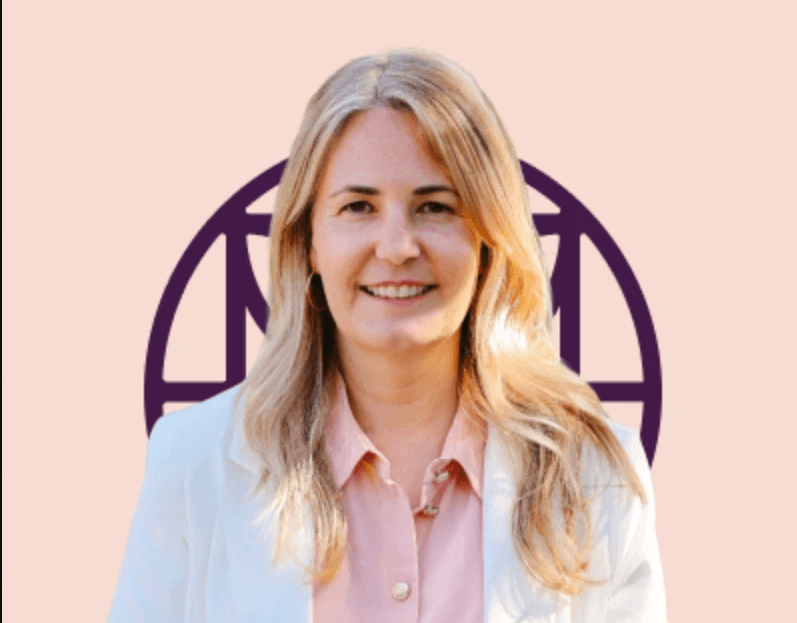
Kimberly Keesler Herrera, MBA

I remember when I first broke the $100k salary mark. I was 24 years old, the year was 1999, and I had just started a career in tech sales. I remember thinking that a salary this high would solve all my money problems and that I’d never have to worry about money again.
The salary felt great for a while. Then, want to guess what happened? It started to feel normal. As the years passed, my salary climbed, and I’d meet people in my circle making $250k, which then became the next goalpost. Then $300k, then $350k. Once achieved, it felt normal.
One day I remember my boss at the time complaining about money. He was making somewhere around $600k a year. I remember thinking, “Wait, if he’s worried about money, does this ever end?”
The answer is no, not if the only goal is making more money.
As a Financial Planner, I’ve learned that this feeling of “not enough” is not usually an income problem. It’s a bit of a perception combined with a complexity problem. RSUs can make your income look bigger than your cash flow. Taxes take their own chunk. Lifestyle inflation is a real thing. Earning more and more isn’t the pathway to financial security.
Here’s how I answer the question, “How can I make all this money and still feel behind?”
Most people I speak to are doing everything right. They’re saving, investing, and contributing to their 401(k)s. They’re sticking to their spending plan. So why does their day-to-day life feel so stressful? The answer isn’t that they’re necessarily bad with money; it’s that their financial life has become way more complicated and their top-line salary figure doesn’t go as far as they would expect.
Your income isn’t the same as your cash flow.
You may earn $300,000 as wage income, but after taxes, retirement contributions, health insurance, ESPP and HSA deductions, your take-home pay tells a very different story. Once you add in your mortgage or rent, travel, childcare, helping family, groceries, and gas? Suddenly you’re asking yourself how you survived on less.
Lifestyle inflation doesn’t announce itself.
Most people don't get the bigger paycheck and immediately go out and buy a bigger home or car. The creep happens slowly, over time. Ordering takeout a few more times per month. Hiring someone to clean your house. Taking the vacation you used to dream about. Flying nonstop instead of a layover (although as someone who hates flying, I’ll die on this hill that this one is worth it).
None of these decisions are “wrong.” In fact, I’d argue that a high-paying salary usually comes with high stress, so you almost need to outsource some of your life just to keep up. The challenge is that these expenses become your new normal and before long your spending has quietly grown alongside your income, if not more!
Taxes often surprise high earners.
Bonuses, RSUs, Employee Stock Purchase Programs, and even investment income all add to the complexity. A bigger paycheck often comes with a much bigger tax bill, and most people don’t realize how much of their income is already spoken for until the tax bill arrives.
A large portion of your wealth may be tied to one company.
If you’ve worked at the same company for many years, your largest investment might not be your 401(k) or IRA; it might be your employer. When your paycheck, RSUs, and bonuses all come from one company, it’s natural to feel a little anxiety, even if your salary and net worth look impressive on paper.
Earning a high income isn’t a substitute for having a solid financial plan.
First of all, if you see yourself in this article, take a moment to acknowledge that you’re in a fortunate spot. You’re a high earner. Many successful professionals I know also happen to be great savers. And even if your savings account is growing, it isn’t the same as being financially prepared for all the twists and turns the future may have in store for you. An HYSA and some VOO stock isn’t the same as a well-thought-out financial strategy.
Having a financial plan will help you get clarity on your financial priorities. It will help you optimize your cash flow to give yourself some financial breathing room. It will help you escape the rat race trap.
Having a financial plan can answer questions such as:
How much company stock is too much?
Can I afford to buy a home? If so, how much home can I afford?
Am I paying more taxes than I need to?
What should I do next?
Once you have clarity on these items, you can start turning your income into true wealth, and it becomes clearer what steps you need to take so you no longer ask yourself “where is all my money going?”
Stay Informed, Stay Empowered
Get our latest financial insights delivered straight to your inbox

Do You Have Any Blind Spots?
Why I changed my perspective on DIY Investing

Kimberly Keesler Herrera, MBA, CFP® Candidate

Your Male Coworker Just Asked for a Raise - Why Haven't You?
The secret to making salary increases happen consistently

Kimberly Keesler Herrera, MBA

Announcing Collaboration Between Tessara Wealth and Hellos & Goodbyes
Tessara Wealth announces collaboration with Hellos & Goodbyes to help high-achieving women make sure they are getting paid what they are worth.

Shawn Tydlaska, CFP®, MBA
Why Doesn't More Money Feel like More Money?
Kimberly Keesler Herrera, MBA
I remember when I first broke the $100k salary mark. I was 24 years old, the year was 1999, and I had just started a career in tech sales. I remember thinking that a salary this high would solve all my money problems and that I’d never have to worry about money again.
The salary felt great for a while. Then, want to guess what happened? It started to feel normal. As the years passed, my salary climbed, and I’d meet people in my circle making $250k, which then became the next goalpost. Then $300k, then $350k. Once achieved, it felt normal.
One day I remember my boss at the time complaining about money. He was making somewhere around $600k a year. I remember thinking, “Wait, if he’s worried about money, does this ever end?”
The answer is no, not if the only goal is making more money.
As a Financial Planner, I’ve learned that this feeling of “not enough” is not usually an income problem. It’s a bit of a perception combined with a complexity problem. RSUs can make your income look bigger than your cash flow. Taxes take their own chunk. Lifestyle inflation is a real thing. Earning more and more isn’t the pathway to financial security.
Here’s how I answer the question, “How can I make all this money and still feel behind?”
Most people I speak to are doing everything right. They’re saving, investing, and contributing to their 401(k)s. They’re sticking to their spending plan. So why does their day-to-day life feel so stressful? The answer isn’t that they’re necessarily bad with money; it’s that their financial life has become way more complicated and their top-line salary figure doesn’t go as far as they would expect.
Your income isn’t the same as your cash flow.
You may earn $300,000 as wage income, but after taxes, retirement contributions, health insurance, ESPP and HSA deductions, your take-home pay tells a very different story. Once you add in your mortgage or rent, travel, childcare, helping family, groceries, and gas? Suddenly you’re asking yourself how you survived on less.
Lifestyle inflation doesn’t announce itself.
Most people don't get the bigger paycheck and immediately go out and buy a bigger home or car. The creep happens slowly, over time. Ordering takeout a few more times per month. Hiring someone to clean your house. Taking the vacation you used to dream about. Flying nonstop instead of a layover (although as someone who hates flying, I’ll die on this hill that this one is worth it).
None of these decisions are “wrong.” In fact, I’d argue that a high-paying salary usually comes with high stress, so you almost need to outsource some of your life just to keep up. The challenge is that these expenses become your new normal and before long your spending has quietly grown alongside your income, if not more!
Taxes often surprise high earners.
Bonuses, RSUs, Employee Stock Purchase Programs, and even investment income all add to the complexity. A bigger paycheck often comes with a much bigger tax bill, and most people don’t realize how much of their income is already spoken for until the tax bill arrives.
A large portion of your wealth may be tied to one company.
If you’ve worked at the same company for many years, your largest investment might not be your 401(k) or IRA; it might be your employer. When your paycheck, RSUs, and bonuses all come from one company, it’s natural to feel a little anxiety, even if your salary and net worth look impressive on paper.
Earning a high income isn’t a substitute for having a solid financial plan.
First of all, if you see yourself in this article, take a moment to acknowledge that you’re in a fortunate spot. You’re a high earner. Many successful professionals I know also happen to be great savers. And even if your savings account is growing, it isn’t the same as being financially prepared for all the twists and turns the future may have in store for you. An HYSA and some VOO stock isn’t the same as a well-thought-out financial strategy.
Having a financial plan will help you get clarity on your financial priorities. It will help you optimize your cash flow to give yourself some financial breathing room. It will help you escape the rat race trap.
Having a financial plan can answer questions such as:
How much company stock is too much?
Can I afford to buy a home? If so, how much home can I afford?
Am I paying more taxes than I need to?
What should I do next?
Once you have clarity on these items, you can start turning your income into true wealth, and it becomes clearer what steps you need to take so you no longer ask yourself “where is all my money going?”
Stay Informed, Stay Empowered
Get our latest financial insights delivered straight to your inbox
Do You Have Any Blind Spots?
Why I changed my perspective on DIY Investing
Kimberly Keesler Herrera, MBA, CFP® Candidate
Your Male Coworker Just Asked for a Raise - Why Haven't You?
The secret to making salary increases happen consistently
Kimberly Keesler Herrera, MBA
Announcing Collaboration Between Tessara Wealth and Hellos & Goodbyes
Tessara Wealth announces collaboration with Hellos & Goodbyes to help high-achieving women make sure they are getting paid what they are worth.
Shawn Tydlaska, CFP®, MBA

Why Even Smart Women Feel Like They're Bad at Money
Being smart doesn't make the job of managing your family finances easy. Read on about how invisible expectations can create blind spots and how the right partnership can help you trade doubts for clarity.

Drew Hanessian, CFP®, MBA
Why Doesn't More Money Feel like More Money?
Kimberly Keesler Herrera, MBA
I remember when I first broke the $100k salary mark. I was 24 years old, the year was 1999, and I had just started a career in tech sales. I remember thinking that a salary this high would solve all my money problems and that I’d never have to worry about money again.
The salary felt great for a while. Then, want to guess what happened? It started to feel normal. As the years passed, my salary climbed, and I’d meet people in my circle making $250k, which then became the next goalpost. Then $300k, then $350k. Once achieved, it felt normal.
One day I remember my boss at the time complaining about money. He was making somewhere around $600k a year. I remember thinking, “Wait, if he’s worried about money, does this ever end?”
The answer is no, not if the only goal is making more money.
As a Financial Planner, I’ve learned that this feeling of “not enough” is not usually an income problem. It’s a bit of a perception combined with a complexity problem. RSUs can make your income look bigger than your cash flow. Taxes take their own chunk. Lifestyle inflation is a real thing. Earning more and more isn’t the pathway to financial security.
Here’s how I answer the question, “How can I make all this money and still feel behind?”
Most people I speak to are doing everything right. They’re saving, investing, and contributing to their 401(k)s. They’re sticking to their spending plan. So why does their day-to-day life feel so stressful? The answer isn’t that they’re necessarily bad with money; it’s that their financial life has become way more complicated and their top-line salary figure doesn’t go as far as they would expect.
Your income isn’t the same as your cash flow.
You may earn $300,000 as wage income, but after taxes, retirement contributions, health insurance, ESPP and HSA deductions, your take-home pay tells a very different story. Once you add in your mortgage or rent, travel, childcare, helping family, groceries, and gas? Suddenly you’re asking yourself how you survived on less.
Lifestyle inflation doesn’t announce itself.
Most people don't get the bigger paycheck and immediately go out and buy a bigger home or car. The creep happens slowly, over time. Ordering takeout a few more times per month. Hiring someone to clean your house. Taking the vacation you used to dream about. Flying nonstop instead of a layover (although as someone who hates flying, I’ll die on this hill that this one is worth it).
None of these decisions are “wrong.” In fact, I’d argue that a high-paying salary usually comes with high stress, so you almost need to outsource some of your life just to keep up. The challenge is that these expenses become your new normal and before long your spending has quietly grown alongside your income, if not more!
Taxes often surprise high earners.
Bonuses, RSUs, Employee Stock Purchase Programs, and even investment income all add to the complexity. A bigger paycheck often comes with a much bigger tax bill, and most people don’t realize how much of their income is already spoken for until the tax bill arrives.
A large portion of your wealth may be tied to one company.
If you’ve worked at the same company for many years, your largest investment might not be your 401(k) or IRA; it might be your employer. When your paycheck, RSUs, and bonuses all come from one company, it’s natural to feel a little anxiety, even if your salary and net worth look impressive on paper.
Earning a high income isn’t a substitute for having a solid financial plan.
First of all, if you see yourself in this article, take a moment to acknowledge that you’re in a fortunate spot. You’re a high earner. Many successful professionals I know also happen to be great savers. And even if your savings account is growing, it isn’t the same as being financially prepared for all the twists and turns the future may have in store for you. An HYSA and some VOO stock isn’t the same as a well-thought-out financial strategy.
Having a financial plan will help you get clarity on your financial priorities. It will help you optimize your cash flow to give yourself some financial breathing room. It will help you escape the rat race trap.
Having a financial plan can answer questions such as:
How much company stock is too much?
Can I afford to buy a home? If so, how much home can I afford?
Am I paying more taxes than I need to?
What should I do next?
Once you have clarity on these items, you can start turning your income into true wealth, and it becomes clearer what steps you need to take so you no longer ask yourself “where is all my money going?”
Stay Informed, Stay Empowered
Get our latest financial insights delivered straight to your inbox
Do You Have Any Blind Spots?
Why I changed my perspective on DIY Investing
Kimberly Keesler Herrera, MBA, CFP® Candidate
Your Male Coworker Just Asked for a Raise - Why Haven't You?
The secret to making salary increases happen consistently
Kimberly Keesler Herrera, MBA
Announcing Collaboration Between Tessara Wealth and Hellos & Goodbyes
Tessara Wealth announces collaboration with Hellos & Goodbyes to help high-achieving women make sure they are getting paid what they are worth.
Shawn Tydlaska, CFP®, MBA
Contact: Shawn Tydlaska | Phone: 650-636-7526
340 Lorton Ave, Suite 216, Burlingame, CA 94010
Subscribe here to get personal finance tips delivered straight to your inbox.



© 2026 Tessara Wealth, All rights reserved
Contact: Shawn Tydlaska | Phone: 650-636-7526
340 Lorton Ave, Suite 216, Burlingame, CA 94010
Subscribe here to get personal finance tips delivered straight to your inbox.
© 2026 Tessara Wealth, All rights reserved
Contact: Shawn Tydlaska | Phone: 650-636-7526
340 Lorton Ave, Suite 216, Burlingame, CA 94010
Subscribe here to get personal finance tips delivered straight to your inbox.
© 2026 Tessara Wealth, All rights reserved