
Do You Have Any Blind Spots?
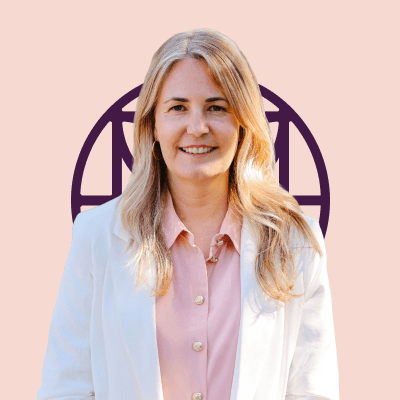
Kimberly Keesler Herrera, MBA, CFP® Candidate
I always prided myself on doing my own finances. As an eldest daughter, it's basically wired into my DNA. If there was a subject I was interested in, I went all in. Books, online classes, podcasts, etc. I consumed everything I could get my hands on. In my early 20s, I became fascinated by money and investing.
I made sure to max out my 401(k), and knew to avoid taking on too big of a mortgage or any credit card debt. I budgeted, had a savings account, and even invested on the side. I consumed anything I could get my hands on around money and investing because I generally enjoyed the subject and wanted to learn.
The only problem was I didn’t know what I didn’t know. Ever heard of the Dunning-Kruger Effect? It means that when people don’t know very much about a topic, once they learn a little bit, they often think they know a lot. Because they don’t fully understand the subject yet, they also don’t realize how much they’re missing. As they learn more and more, they get a reality check. That can look like “Wow, this is way more complicated than I thought”. As your knowledge increases, your confidence actually drops. When you reach the stage most people would consider “expert”, that’s when you’re actually at your most humble. Acknowledging that even though you know a lot, there’s far more that you still don’t know.
Fast forward 20 years into a tech career, and I went back to school to become a fee-only (no commissions) financial planner. It took 2 years of study, a grueling 6-hour exam, and a lot of humbling moments to start a new profession at the age of 50.
I’m now a year and a half into my new career, passed the CFP® exam, and will earn the CFP® marks in January. And I can confidently tell you why you might want to reevaluate whether you need a planner or not, especially if you’re someone like me who always preferred to just figure it out for yourself.
A good CFP® can do tax projections. Have you ever been worried about, or surprised by, your tax bill in April? A forward-looking financial planner can tell you how much to set aside for taxes and help you adjust withholdings, or make estimated payments, ahead of time to avoid penalties and surprises.
A good CFP® can give you permission to spend money. Hiring a financial planner does not mean someone telling you to stop buying lattes or pay off your debt before you take that vacation. They can help you figure out what’s important to you and what’s not. Ramit Sethi calls it turning up or down certain dials, and I love that analogy. Don’t care about driving the latest car? Great - why are you considering upgrading if it’s not a dream of yours? A good CFP® will call you out when your dreams don’t align with your spending, and maybe in this instance, you’re just trying to “Keep up with the Joneses.” A good CFP® will evaluate and help you reflect not just on the numbers, but on how you perceive money.
The number one reason a DIYer might want to hire a Financial Planner?
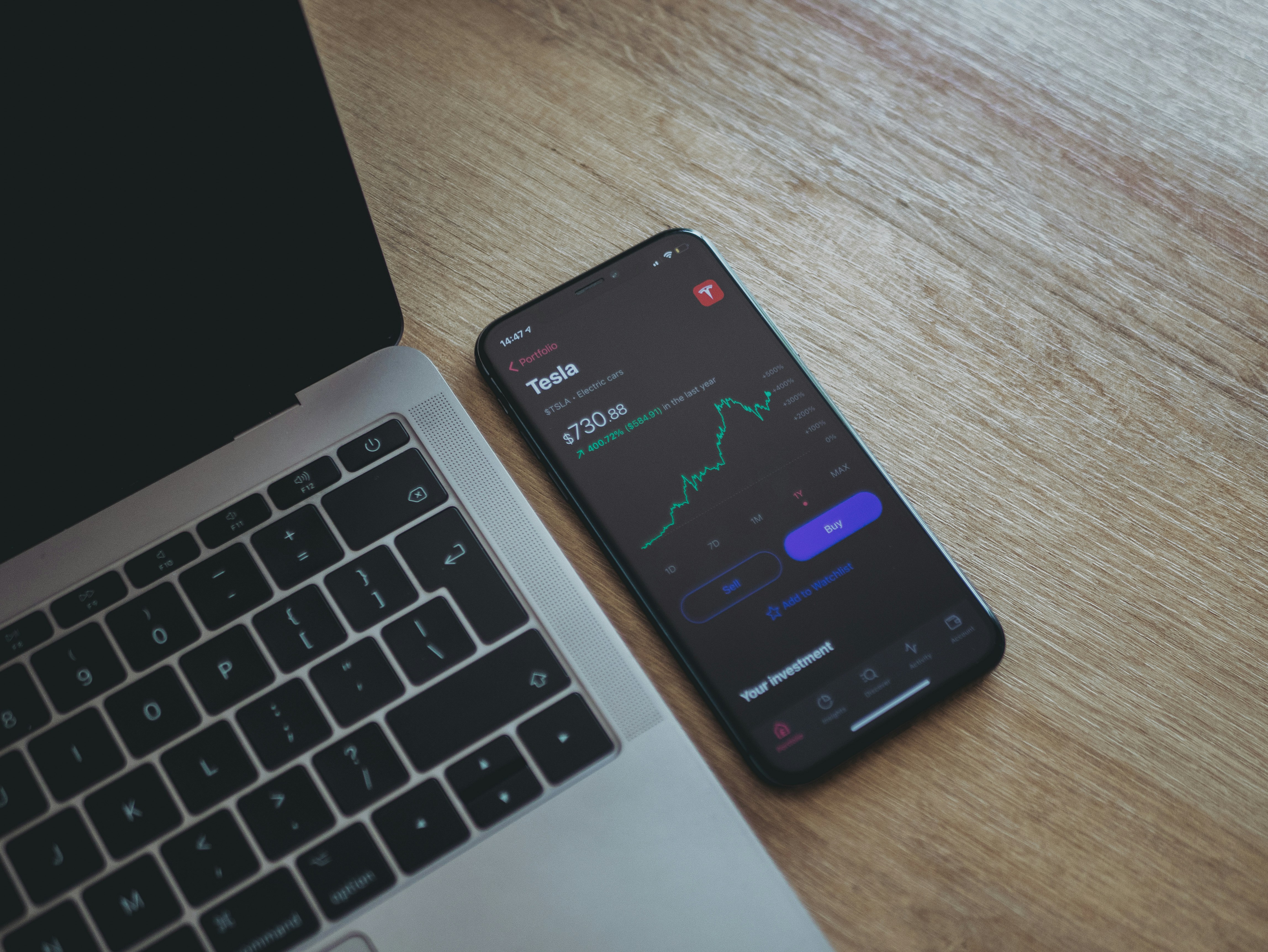
A great CFP® will spot the holes in your DIY strategy and identify your blind spots. I used to work in tech, and at one point, I had 80% of my wealth tied up in my own company’s stock. Sounds crazy, right? When you put it that way, “80% of my wealth,” it resonates. But back then, I thought I was being conservative by holding on to my company’s stock. I thought it showed “commitment.” I believed the company was going places. Also, isn’t buy-and-hold a conservative strategy? After all, I wasn’t trying to day trade or sell when the stock fluctuated. I was playing the long game. A great CFP® would have sat me down and helped me diversify - selling chunks of my stock over time in a tax-conscious way, and then reinvesting that money back into the stock market. That way, my portfolio would continue to climb, but without having all my eggs in one basket.
When you’re a DIYer, you don’t know what you don’t know. Discovering and rectifying the gaps in your knowledge can be the biggest advantage of hiring a professional.
Stay Informed, Stay Empowered
Get our latest financial insights delivered straight to your inbox
Do You Have Any Blind Spots?
Why I changed my perspective on DIY Investing
Kimberly Keesler Herrera, MBA, CFP® Candidate

Your Male Coworker Just Asked for a Raise - Why Haven't You?
The secret to making salary increases happen consistently
Kimberly Keesler Herrera, MBA

Announcing Collaboration Between Tessara Wealth and Hellos & Goodbyes
Tessara Wealth announces collaboration with Hellos & Goodbyes to help high-achieving women make sure they are getting paid what they are worth.
Shawn Tydlaska, CFP®, MBA
Do You Have Any Blind Spots?
Kimberly Keesler Herrera, MBA, CFP® Candidate
I always prided myself on doing my own finances. As an eldest daughter, it's basically wired into my DNA. If there was a subject I was interested in, I went all in. Books, online classes, podcasts, etc. I consumed everything I could get my hands on. In my early 20s, I became fascinated by money and investing.
I made sure to max out my 401(k), and knew to avoid taking on too big of a mortgage or any credit card debt. I budgeted, had a savings account, and even invested on the side. I consumed anything I could get my hands on around money and investing because I generally enjoyed the subject and wanted to learn.
The only problem was I didn’t know what I didn’t know. Ever heard of the Dunning-Kruger Effect? It means that when people don’t know very much about a topic, once they learn a little bit, they often think they know a lot. Because they don’t fully understand the subject yet, they also don’t realize how much they’re missing. As they learn more and more, they get a reality check. That can look like “Wow, this is way more complicated than I thought”. As your knowledge increases, your confidence actually drops. When you reach the stage most people would consider “expert”, that’s when you’re actually at your most humble. Acknowledging that even though you know a lot, there’s far more that you still don’t know.
Fast forward 20 years into a tech career, and I went back to school to become a fee-only (no commissions) financial planner. It took 2 years of study, a grueling 6-hour exam, and a lot of humbling moments to start a new profession at the age of 50.
I’m now a year and a half into my new career, passed the CFP® exam, and will earn the CFP® marks in January. And I can confidently tell you why you might want to reevaluate whether you need a planner or not, especially if you’re someone like me who always preferred to just figure it out for yourself.
A good CFP® can do tax projections. Have you ever been worried about, or surprised by, your tax bill in April? A forward-looking financial planner can tell you how much to set aside for taxes and help you adjust withholdings, or make estimated payments, ahead of time to avoid penalties and surprises.
A good CFP® can give you permission to spend money. Hiring a financial planner does not mean someone telling you to stop buying lattes or pay off your debt before you take that vacation. They can help you figure out what’s important to you and what’s not. Ramit Sethi calls it turning up or down certain dials, and I love that analogy. Don’t care about driving the latest car? Great - why are you considering upgrading if it’s not a dream of yours? A good CFP® will call you out when your dreams don’t align with your spending, and maybe in this instance, you’re just trying to “Keep up with the Joneses.” A good CFP® will evaluate and help you reflect not just on the numbers, but on how you perceive money.
The number one reason a DIYer might want to hire a Financial Planner?
A great CFP® will spot the holes in your DIY strategy and identify your blind spots. I used to work in tech, and at one point, I had 80% of my wealth tied up in my own company’s stock. Sounds crazy, right? When you put it that way, “80% of my wealth,” it resonates. But back then, I thought I was being conservative by holding on to my company’s stock. I thought it showed “commitment.” I believed the company was going places. Also, isn’t buy-and-hold a conservative strategy? After all, I wasn’t trying to day trade or sell when the stock fluctuated. I was playing the long game. A great CFP® would have sat me down and helped me diversify - selling chunks of my stock over time in a tax-conscious way, and then reinvesting that money back into the stock market. That way, my portfolio would continue to climb, but without having all my eggs in one basket.
When you’re a DIYer, you don’t know what you don’t know. Discovering and rectifying the gaps in your knowledge can be the biggest advantage of hiring a professional.
Stay Informed, Stay Empowered
Get our latest financial insights delivered straight to your inbox
Do You Have Any Blind Spots?
Why I changed my perspective on DIY Investing
Kimberly Keesler Herrera, MBA, CFP® Candidate
Your Male Coworker Just Asked for a Raise - Why Haven't You?
The secret to making salary increases happen consistently
Kimberly Keesler Herrera, MBA
Announcing Collaboration Between Tessara Wealth and Hellos & Goodbyes
Tessara Wealth announces collaboration with Hellos & Goodbyes to help high-achieving women make sure they are getting paid what they are worth.
Shawn Tydlaska, CFP®, MBA

Why Even Smart Women Feel Like They're Bad at Money
Being smart doesn't make the job of managing your family finances easy. Read on about how invisible expectations can create blind spots and how the right partnership can help you trade doubts for clarity.

Drew Hanessian, CFP®, MBA
Do You Have Any Blind Spots?
Kimberly Keesler Herrera, MBA, CFP® Candidate
I always prided myself on doing my own finances. As an eldest daughter, it's basically wired into my DNA. If there was a subject I was interested in, I went all in. Books, online classes, podcasts, etc. I consumed everything I could get my hands on. In my early 20s, I became fascinated by money and investing.
I made sure to max out my 401(k), and knew to avoid taking on too big of a mortgage or any credit card debt. I budgeted, had a savings account, and even invested on the side. I consumed anything I could get my hands on around money and investing because I generally enjoyed the subject and wanted to learn.
The only problem was I didn’t know what I didn’t know. Ever heard of the Dunning-Kruger Effect? It means that when people don’t know very much about a topic, once they learn a little bit, they often think they know a lot. Because they don’t fully understand the subject yet, they also don’t realize how much they’re missing. As they learn more and more, they get a reality check. That can look like “Wow, this is way more complicated than I thought”. As your knowledge increases, your confidence actually drops. When you reach the stage most people would consider “expert”, that’s when you’re actually at your most humble. Acknowledging that even though you know a lot, there’s far more that you still don’t know.
Fast forward 20 years into a tech career, and I went back to school to become a fee-only (no commissions) financial planner. It took 2 years of study, a grueling 6-hour exam, and a lot of humbling moments to start a new profession at the age of 50.
I’m now a year and a half into my new career, passed the CFP® exam, and will earn the CFP® marks in January. And I can confidently tell you why you might want to reevaluate whether you need a planner or not, especially if you’re someone like me who always preferred to just figure it out for yourself.
A good CFP® can do tax projections. Have you ever been worried about, or surprised by, your tax bill in April? A forward-looking financial planner can tell you how much to set aside for taxes and help you adjust withholdings, or make estimated payments, ahead of time to avoid penalties and surprises.
A good CFP® can give you permission to spend money. Hiring a financial planner does not mean someone telling you to stop buying lattes or pay off your debt before you take that vacation. They can help you figure out what’s important to you and what’s not. Ramit Sethi calls it turning up or down certain dials, and I love that analogy. Don’t care about driving the latest car? Great - why are you considering upgrading if it’s not a dream of yours? A good CFP® will call you out when your dreams don’t align with your spending, and maybe in this instance, you’re just trying to “Keep up with the Joneses.” A good CFP® will evaluate and help you reflect not just on the numbers, but on how you perceive money.
The number one reason a DIYer might want to hire a Financial Planner?
A great CFP® will spot the holes in your DIY strategy and identify your blind spots. I used to work in tech, and at one point, I had 80% of my wealth tied up in my own company’s stock. Sounds crazy, right? When you put it that way, “80% of my wealth,” it resonates. But back then, I thought I was being conservative by holding on to my company’s stock. I thought it showed “commitment.” I believed the company was going places. Also, isn’t buy-and-hold a conservative strategy? After all, I wasn’t trying to day trade or sell when the stock fluctuated. I was playing the long game. A great CFP® would have sat me down and helped me diversify - selling chunks of my stock over time in a tax-conscious way, and then reinvesting that money back into the stock market. That way, my portfolio would continue to climb, but without having all my eggs in one basket.
When you’re a DIYer, you don’t know what you don’t know. Discovering and rectifying the gaps in your knowledge can be the biggest advantage of hiring a professional.
Stay Informed, Stay Empowered
Get our latest financial insights delivered straight to your inbox
Do You Have Any Blind Spots?
Why I changed my perspective on DIY Investing
Kimberly Keesler Herrera, MBA, CFP® Candidate
Your Male Coworker Just Asked for a Raise - Why Haven't You?
The secret to making salary increases happen consistently
Kimberly Keesler Herrera, MBA
Announcing Collaboration Between Tessara Wealth and Hellos & Goodbyes
Tessara Wealth announces collaboration with Hellos & Goodbyes to help high-achieving women make sure they are getting paid what they are worth.
Shawn Tydlaska, CFP®, MBA
Contact: Shawn Tydlaska | Phone: 650-636-7526
340 Lorton Ave, Suite 216, Burlingame, CA 94010
Subscribe here to get personal finance tips delivered straight to your inbox.


© 2026 Tessara Wealth, All rights reserved
Contact: Shawn Tydlaska | Phone: 650-636-7526
340 Lorton Ave, Suite 216, Burlingame, CA 94010
Subscribe here to get personal finance tips delivered straight to your inbox.
© 2026 Tessara Wealth, All rights reserved
Contact: Shawn Tydlaska | Phone: 650-636-7526
340 Lorton Ave, Suite 216, Burlingame, CA 94010
Subscribe here to get personal finance tips delivered straight to your inbox.
© 2026 Tessara Wealth, All rights reserved